Wembley Stadium move access tips for removals teams
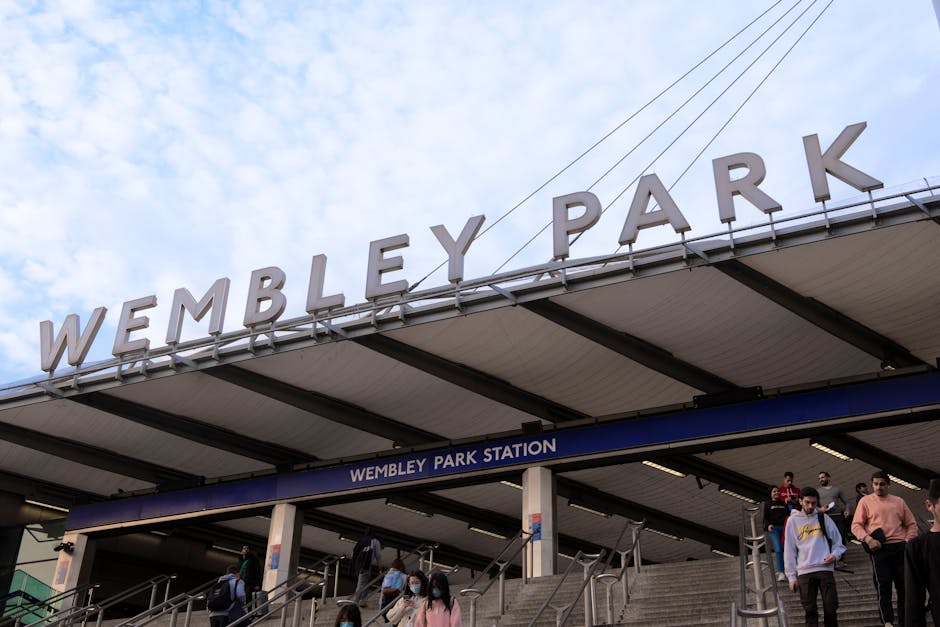
If you are planning a move near Wembley Stadium, the access challenge is usually bigger than the packing challenge. Roads can get busy without warning, event days can change the mood of an entire route, and a van that would be fine on a quiet Tuesday can feel like a bad idea by Friday afternoon. That is why Wembley Stadium move access tips for removals teams matter so much: they help crews plan smarter, protect items better, and avoid the sort of delays that turn a tidy job into a long, noisy one.
Whether you are handling a flat move, a small office relocation, student removals, or a larger domestic job, the key is to think about access before the first box moves. In this guide, we will break down what to watch for, how to plan the route, what tools help, and which mistakes tend to catch teams out. We will also cover practical comparisons, a real-world style example, and a checklist you can use on the day. Fair warning: around Wembley, the smallest detail can save the most time.
Why Wembley Stadium move access tips for removals teams Matters
Wembley is not a standard residential area. It has stadium events, busier road networks, controlled parking zones, major footfall, and streets that can feel calm one minute and crowded the next. For removals teams, that changes everything. Access affects timing, parking, carrying distance, item safety, and even staff fatigue.
The most common issue is not that the move is impossible. It is that the team assumes a normal city move will work here. Around Wembley Stadium, assumptions cause trouble. A route that looks short on a map may take longer because of event traffic. A loading spot may be blocked by visitor coaches, enforcement activity, or a narrow turning point. And if you are moving furniture or appliances, even a few extra minutes of carrying can make a heavy item awkward to control.
There is also the customer side of it. People moving in or around Wembley usually want clarity. They want to know where the van can stop, how long loading will take, and whether the crew can protect walls, lifts, and floors. A removals team that talks through access properly feels organised straight away. That matters. It builds trust before the first box is even lifted.
Expert summary: around Wembley Stadium, good access planning is not a nice extra. It is part of the move itself. If the route, parking and loading plan are right, almost everything else becomes easier.
How Wembley Stadium move access tips for removals teams works
The process is straightforward in principle, though the details matter. First, the team studies the property access: road width, turning space, entry restrictions, parking options, stairs, lifts, and any difficult corners inside the building. Then they compare that with the vehicle being used. A man and van setup may suit smaller moves with tighter access, while a larger job may need a removal van or even a moving truck depending on load volume and street conditions.
Next comes timing. If the move is close to a match day, concert, or public event, loading windows can become more important than distance. A team might decide to arrive earlier than usual, or split loading into two phases, so the vehicle is not sitting in the wrong place for too long. Around Wembley, that can make a surprising difference.
Finally, the crew plans the physical movement. That includes box stacking, item order, protective wrapping, and who will carry what first. The best access strategy is the one that reduces the number of times an item has to be lifted, turned, or paused in a doorway. Simple, but easy to get wrong if the team is rushing.
In our experience, the best removals teams treat access as a chain: if one link fails, the whole job slows down. It is rarely one dramatic problem. More often it is five small ones stacked together. A blocked pavement. A lift that is slightly too small. A van parked half a street away. A box that was packed too heavily. You know the type.
Key Benefits and Practical Advantages
Getting access right near Wembley Stadium is about more than convenience. It changes the quality of the entire move.
- Less carrying distance: closer vehicle access means fewer steps, fewer pauses, and less risk of dropped items.
- Better time control: teams can finish within the planned window instead of chasing the clock.
- Lower damage risk: fewer tight turns and fewer handovers reduce scrapes to furniture, walls, and doors.
- Less stress for the client: clear access planning helps customers feel informed rather than surprised.
- Improved crew safety: less unnecessary lifting and less roadside waiting lowers the chance of strain or slips.
- Smoother booking decisions: knowing whether a job needs a small van, larger van, or extra hands makes quoting more accurate.
There is also a commercial advantage. Teams that regularly handle difficult access jobs build a stronger reputation. They become the people customers recommend when the move sounds fiddly. And let's be honest, in removals, "fiddly" is often just another word for valuable.
If the move involves business premises, it may also be worth reviewing broader support such as commercial moves or office removals, especially where access timing has to work around staff, deliveries, or building management.
Who This Is For and When It Makes Sense
This topic is relevant to a wide range of moves. If you are a removals team leader, driver, porter, or planner, you will use these tips every time you are near the stadium area. If you are a customer organising the job, the same advice helps you ask better questions and avoid last-minute chaos.
It makes particular sense when the move involves any of the following:
- apartments or flats with limited street parking
- properties near event routes or high-footfall roads
- buildings with lifts, concierge desks, or entry controls
- heavy or awkward items such as wardrobes, sofas, or pianos
- small same-day relocations where timing is tight
- student moves where access may be limited by shared housing layouts
- short-notice jobs where the crew has to react quickly
If the property is compact, a flat removals service may be more suitable than a standard household setup. For smaller moves with lighter access needs, a man with van option can be practical. For urgent work, same-day removals may be the better fit, though that usually means sharper planning and less room for error.
Truth be told, if the access looks straightforward at first glance, that is exactly when teams should double-check it. Around Wembley, the obvious route is not always the best route.
Step-by-Step Guidance
Here is a simple way removals teams can plan access around Wembley Stadium without overcomplicating the job.
- Check the exact address and surroundings. Look at the road layout, nearby junctions, and whether there is room to safely stop close to the entrance.
- Identify parking restrictions early. Do not leave this until the day. If the stop is restricted or narrow, the whole moving sequence changes.
- Ask about building access. Find out about lifts, stairs, key codes, concierge desks, service entrances, and opening hours.
- Match the vehicle to the job. A smaller load may fit a compact van, while a bulky move may need a larger vehicle or more than one run.
- Plan the carry route inside and outside. Measure awkward corners if needed. A sofa that fits the van but not the stairwell is still a problem.
- Pack by unloading order. Put essentials and room-specific items near the back or on top where they can be reached fast.
- Protect the property before moving begins. Use blankets, covers, and floor protection in hallways or lifts where needed.
- Build in a timing buffer. Wembley traffic can change quickly. Leave some breathing room. Always.
- Confirm the handover point. Decide where the vehicle will wait, where the crew will stand, and how the items will move from door to van.
- Review the plan on arrival. A quick on-site check can catch problems that were invisible on the phone.
If items need wrapping or sorting in advance, the packing and boxes service and packing and unpacking services can help keep the whole sequence cleaner and faster. Small thing, big difference.
Expert Tips for Better Results
Here are the practical habits that experienced removals crews use when working near Wembley Stadium.
1. Treat event days as a different operating environment
Even if the move is not directly beside the stadium, event traffic can ripple outward. A route that looks fine at 9am may be awkward at 11am. Teams should check timing against the day, not just the address.
2. Keep the load plan simple
Overcomplicated loading is a common mistake. Group items by room and weight. Heavy items first if the layout allows it, then fragile boxes, then essentials. The aim is less hunting, less shuffling.
3. Use a spotter when reversing or parking tight
At a busy roadside, one person guiding the vehicle can prevent a lot of trouble. It sounds basic, but basic is what works when traffic is moving and pedestrians are everywhere.
4. Ask one extra access question
Most problems come from the thing nobody asked. Is there a loading bay? Is there a height restriction? Is there a second entrance around the back? That one extra question often saves the day.
5. Keep fragile or urgent items separate
When access is awkward, fragile items get more handling than usual. A clearly marked box for valuables, documents, chargers, kettle bits, or overnight essentials keeps the move calmer.
Some teams also like to separate bulky specialist items. For example, piano moves need a more careful route and more control, so it can be sensible to review piano removals options if the job includes one. The same logic applies to heavier furniture and larger household pieces, where furniture removals support can reduce risk.
Common Mistakes to Avoid
A few errors keep appearing on difficult access jobs. Most are preventable, which is the annoying part.
- Assuming parking will be available: even short-term stopping can be different once the crew arrives.
- Ignoring event timing: Wembley traffic can be unpredictable around matches and major events.
- Using a van that is too large: a bigger vehicle is not always better if access is tight.
- Not measuring furniture: one oversize item can hold up the rest of the move.
- Forgetting internal access: stairs, corridors, and lifts matter just as much as the street outside.
- Skipping the on-site walk-through: a quick look around often reveals problems that phone notes miss.
- Overloading boxes: too-heavy boxes are slow, awkward, and unpleasant for the team to carry.
The most frustrating error? Planning as though the move is happening in a quiet suburb on a Sunday morning. Wembley is not that. It has its own rhythm, and if you ignore it, the move notices. Loudly.
Tools, Resources and Recommendations
For a Wembley access-heavy move, the best tools are the ones that reduce guesswork. You do not need anything exotic, just the right basics.
- Measuring tape: useful for doors, lifts, corridors, and furniture dimensions.
- Phone camera: photos of entrances, parking points, and stairwells are often more useful than long descriptions.
- Floor and furniture protection: blankets, covers, wraps, and protective sheeting help keep both property and goods safe.
- Marker pens and labels: clear labelling helps the team unload in the right order.
- Moving straps and dollies: these can reduce strain when access is awkward or item weight is high.
- Route planning notes: a simple written plan is better than relying on memory, especially on busy jobs.
For customers who need to clear space before moving, storage can also be a sensible temporary option. If the move is split over more than one day, storage can ease pressure and make access easier to manage. For extra reassurance on standards and preparation, it is sensible to review a provider's health and safety policy and insurance and safety information before booking.
If you are comparing support levels, a simple local removal services setup may suit a straightforward job, while larger or more involved moves may lean toward removal companies or a dedicated removal truck hire arrangement. Choosing the right fit matters more than choosing the biggest option.
Law, Compliance, Standards, or Best Practice
For moves around Wembley Stadium, compliance is mostly about practical UK best practice rather than anything dramatic. Removals teams should respect parking restrictions, loading rules, access controls, and any building or management instructions. If a road or bay cannot be used legally or safely, it should not be used. Simple as that.
From an operational perspective, good practice includes the following:
- checking access restrictions before confirming arrival times
- keeping walkways clear and minimising obstruction
- using safe lifting techniques and sensible team sizes
- protecting the property and the load during handling
- communicating delays or access changes promptly
- making sure insurance, terms, and payment details are understood in advance
For customers, it can help to read the provider's terms and conditions and payment and security pages before the move. If you want to understand how complaints are handled or how data is managed, those pages are useful too. It is not exciting reading, granted, but it does reduce surprises.
Teams handling waste or unwanted items should also think carefully about reuse and disposal. A reputable provider should be able to explain its approach to recycling and sustainability, especially if old furniture or packaging is part of the job. That kind of detail matters more than people sometimes realise.
Options, Methods, or Comparison Table
The right access strategy often depends on the size and complexity of the move. Here is a simple comparison to help with planning.
| Method | Best for | Access strengths | Watch-outs |
|---|---|---|---|
| Man and van | Small moves, light loads, student or flat moves | Flexible, easier to park, quicker in tight streets | May need multiple runs if volume is underestimated |
| Removal van | Standard household moves with moderate volume | Good balance of capacity and manoeuvrability | Can still struggle if parking or turning space is very limited |
| Moving truck | Larger removals, full homes, bulky furniture | Better for volume and organised loading | Harder to place near restricted roads or tight access points |
| Storage split move | Moves with timing gaps or limited immediate space | Reduces pressure on the move day and helps staged access | Needs careful planning for inventory and re-delivery |
For students or smaller household transitions, student removals can be a smart middle ground. For a full home move, home moves or house removals may be more suitable. If you want a more hands-on local moving setup, a man with a van or man with van option may fit the brief. Not every job needs a big machine. Sometimes a well-planned smaller one is better.
Case Study or Real-World Example
Picture a weekday move from a one-bedroom flat a short distance from Wembley Stadium. The customer has a sofa, bed, dining table, and roughly twenty boxes. On paper, that sounds easy enough. But the building has a narrow entrance, the road outside has limited stopping space, and there is a possibility of event traffic later in the day.
A careful removals team would first confirm the safest stopping point and check whether a short-loading window is realistic. They would likely send a smaller vehicle rather than a large truck, because access matters more than pure capacity. Boxes would be loaded in the order they need to come out at the destination, and fragile items would be kept grouped together. If the lift is small, the team might also split the furniture into pieces before moving it, rather than trying to force a bulky shape through a tight doorway.
What happens next is predictable in the best way. The move feels calmer. There is less backtracking. The customer is not standing in the hallway wondering why the team is still outside. The crew is not wasting energy on avoidable lifting. And by the time the kettle is out at the new place, everyone is already a bit more relaxed.
That is the value of access planning: it makes a move look easy after the fact. Which, to be fair, is usually the nicest kind of move.
Practical Checklist
Use this checklist before moving day.
- Confirm the exact property address and any nearby access restrictions
- Check whether there are event days or busy travel periods around Wembley
- Ask where the vehicle can stop legally and safely
- Measure doorways, stairwells, lifts, and any tight corners
- Match the vehicle size to the load and the access conditions
- Label boxes clearly by room and priority
- Protect furniture, floors, and walls before carrying begins
- Keep essential items separate and easy to reach
- Allow extra time for traffic, parking, and loading
- Review insurance, terms, and safety details before the day
- Have a backup plan if access changes at short notice
If the move feels more complex than expected, you can also compare support options such as house removalists, house removals, or even a tailored removals approach. Sometimes the best decision is simply choosing the service level that matches the building, not the dream version of the building.
Conclusion
Wembley Stadium move access tips for removals teams are all about reducing friction before it appears. If you know where the van can stop, how the route flows, what the building allows, and which items need extra care, the move becomes more manageable straight away. That is true whether you are shifting a single flat, a family home, or a business premises nearby.
The best teams do not just move objects. They manage the space around them. They think about timing, load order, safety, and the little details that can become big problems if ignored. Around Wembley, that mindset is worth its weight in cardboard boxes.
If you are comparing options, take a moment to review the provider's service pages, policies, and access approach before you book. It will save time later, and probably a headache or two as well.
Get a free quote today and see how much you can save.
And if you are still at the planning stage, that is perfectly fine. Good moves start quietly, with one sensible decision at a time.
Frequently Asked Questions
What should removals teams check first near Wembley Stadium?
The first things to check are parking, stopping space, event-day traffic, and whether the building has restricted access. Those four factors usually shape the rest of the move.
Is a small van better than a large truck for Wembley access?
Not always, but smaller vehicles are often easier to place in tight or busy streets. A larger vehicle may be better for volume, yet it can become awkward if access is limited.
How early should a removals team plan a Wembley move?
As early as possible. The more access complexity there is, the earlier the planning should begin. Short-notice jobs can still work, but they leave less room to adjust.
Do event days affect removals near Wembley Stadium?
Yes, they often do. Even if the property is not directly beside the stadium, traffic and parking patterns can change across the wider area.
What is the biggest access mistake removals teams make?
Assuming that a quick look at the map is enough. In reality, the map does not show loading restrictions, lift sizes, corridor bends, or live traffic conditions.
Should a team measure furniture before moving day?
Absolutely. Measuring furniture and key access points prevents unpleasant surprises, especially with sofas, wardrobes, beds, and white goods.
Can a flat move near Wembley be done in one trip?
Sometimes yes, sometimes no. It depends on the amount of furniture, the packing quality, vehicle size, and how easy the access is on both ends.
What if parking is blocked when the team arrives?
The team should have a backup plan. That might mean using a different stopping point, adjusting the carry route, or waiting briefly while keeping the job safe and legal.
Are packing services useful for access-heavy moves?
They can be very useful. Well-packed boxes are easier to stack, carry, and unload, which helps a lot when access is awkward or time is tight.
How do removals teams reduce damage during difficult access?
They use protective wraps, floor covers, careful lifting, and a well-planned carry route. They also avoid rushing tight corners, because that is where damage tends to happen.
When is storage worth considering?
Storage is worth considering if the move has a timing gap, if the destination is not ready, or if access is so limited that a phased move makes more sense. It can take pressure off the day.
What kind of service is best for a smaller Wembley move?
For smaller moves, a man and van or man with van arrangement can be a sensible fit. For bigger or more complex jobs, broader removal services may be better.